A wonderful list of things that can lead to math learning.
One of the most important duties of parents is to help their children to discover and pursue new interests, retaining the love of learning that is almost universal in young children and almost universally extinct in conventionally educated adults. Standardised curricula, and the stultifying educational hoops that schoolchildren have to jump through, sabotage this aim. This can cause trouble for parents who have to satisfy other people ... that they are educating their children properly. Under pressure, they may slide into a "homeschooling" mentality that distorts and damages their children's education.
African-American Unschooling provides a point of contact for African-American homeschoolers. Connect with unschoolers near you, get information about homeschooling and unschooling, and get access to homeschooling and Africentric resources.
Unschooling is a word coined by negating the idea of schooling; it starts off with a negative definition. What, specifically, is it about schools that unschoolers want to do without?
This essay was written for the Harper's Magazine forum, "School on a Hill." John Taylor Gatto discusses how public education cripples our kids and why.
These days, many parents find themselves alone, whether by choice or by circumstances. Many of these parents assume that homeschooling is not an option for them, but like many other assumptions, this can be self-fulfilling. Happily, homeschooling in single parent families is easier now than it has ever been. With commitment, creativity and support, single parent homeschooling can be not only possible, but very rewarding. Unschooling addresses the needs of both the homeschooling parent and the child in a single parent household.
A look at unschooling as a philosophy of life from an African-American perspective.
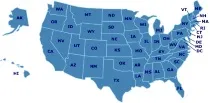
The Western Region Unschoolers is a group for unschoolers who live in the Western U.S. covering: Montana, Wyoming, Colorado, New Mexico, Idaho, Utah, Arizona, Alaska, Washington, Oregon, Nevada, and California. This is a forum to announce and organize conferences, travel, camping, and other places to get together.
Entrepreneurs are creative thinkers and experimental innovators. Unschoolers learn in these same ways, so it's no surprise that lots of unschoolers end up as entrepreneurs. Without the constraints of a classroom, unschoolers nurture their own interests and passions and many figure out how to make a living from these interests and passions. Fueled by their lifetime of curiosity and self-learning, many unschoolers end up very successful in their adult endeavors of self-starting business ownership.
A list designed for those new to the philosophy of unschooling. Ask experienced unschoolers all those niggling questions, and find out how unschooling works in real families. If you're familiar with John Holt's work, but unsure of how to begin or what an unschooling day really looks like, this is a place for you to discuss, question, ponder, and become deeply familiar with natural learning and how it affects our entire lives. From parenting issues to learning from the whole wide world and beyond, come explore the issues that unschooling families have dealt with in the past and how to get beyond "school-think" to a joyful unschooling lifestyle.!
This list consists of a selection of posts from the UnschoolingDiscussion list.
This email group is for those who use Sonlight curricula but also like the unschooling approach (and other compatable methods). Working out how to mix the two, curricula exchange/sales, and connecting with other eclectic Christian unschoolers is the object.
This documentary follows 10 grown homeschoolers from across the US, as they discuss the impact homeschooling had on their lives. It frankly discusses the successes and challenges that homeschoolers face as they grow from child to adult.
Picture this: It’s Tuesday morning. You and your children get out of bed and eat a hearty breakfast. You all get showered and dress, and prepare to learn. One child pops in the Lord of the Rings – Return of the King for the 5th time, looking to see how closely Peter Jackson has matched the movie to the book of the same title that they’ve just finished reading. Another child has decided to go outside and tend to their garden – they are growing some vegetables that are in season, and want to make sure that all is well in their patch. Yet one more child sits comfortably with you, in your lap, while you read every Dr. Seuss book that there is to find in your home. Welcome to the world of unschooling.
What is the difference between unschooling and homeschooling? At one time they were just two terms for the same thing, so the question was like asking what the difference is between a car and an automobile. Today, homeschooling has remained a generic term while unschooling has come to refer to a specific type of homeschooling. So now the question is like asking what the difference is between a Ferrari and a car. Just what is it about unschooling that differentiates it from other types of homeschooling enough to warrant its own term?
Unschooling is an educational approach, an attitude towards learning. It refers to the ways in which we use books, materials, and experiences to learn and grow. The type of underlying structure you have inside yourself, your goals, value system, discipline, whether you watch TV or call parents by their first names, whether you use a patriarchal, democratic, or any other type of family structure, are not unschooling issues; they are parenting issues. Whether unschoolers or not, every parent must deal with these issues. Homeschoolers can agree on matters of how children learn and can even share a similar homeschooling style without agreeing on all of those personal issues; Christians can be unschoolers.
A short list of some of the ways unschoolers learn through living.
This is a place to exchange stories from your unschooling life. Describe how your child learned to read. Tell us anecdotes of how your child made unexpected connections. How does your child learn math through play and everyday activities? This list is for stories of how unschooling works. You'll learn from each other by sharing experiences and observations.
According to John Holt, unschooling allows children the freedom to learn in the world on their own terms. He saw no distinction between learning and living a meaningful life. Learning is a natural process and works best when integrated into the spaces and activities of everyday life. This article takes a look at some of John Holt's philosophy of education and explains why unschooling is often the very best choice of educational model.
A list for unschoolers who are interested in moving towards a sustainable lifestyle. Topics for discussion may include how sustainability and unschooling complement each other, and how we resolve conflicting values.
this list is a forum for former unschoolers and homeschoolers of any religious, philosophical or political persuasion. Discuss your 'unconventional' upbringing and the ways in which it's shaped your life. What was your experience? Do you plan to home/unschool your children? How are you living now? How are you continuing to learn?